Intelligent energy solutions in Western Europe: Guide for OEMs and installers
Europe’s push for decarbonization and energy independence has put solar panels, heat pumps and electric vehicles (EVs) at the forefront of energy solutions. Countries across Western Europe have set ambitious targets: for example, the EU’s REPowerEU plan calls for 10 million new heat pumps by 2027 and 50–60 million in operation by 2030, alongside massive growth in solar capacity. Germany alone aims for around 215 GW of solar by 2030, about half on rooftops. Meanwhile, EV adoption is accelerating – Europe could see up to 50 million electric cars on the road by 2030 – fundamentally changing residential power demand. These trends mean homeowners are increasingly investing in clean energy technologies to reduce bills and carbon footprints, especially after recent energy price spikes and fuel supply crises.
%20in%20Europe.png)
For OEMs and installers, this shift presents a huge opportunity. The focus is no longer just on newly installed systemsbut also on retrofitting or ‘smartifying’homes that already have energy devices with intelligent energy solutions.
In fact, millions of European homes already have solar panels, battery systems, chargers or heat pumps installed, but most operate in isolation. A recent study shows more than 63 million distributed energy devices are in European homes, yet 70–85% are “analog” – not digitally connected or optimized.
Upgrading these with smart controls and integrations can unlock substantial value for households and the grid. It’s estimated that in just four countries (Germany, the UK, the Netherlands and Spain), around 15 million homes are prime candidates for retrofitting with modern energy systems. By transforming existing setups into intelligent, customized energy solutions that work seamlessly together, OEMs and installers can tap into this rapidly expanding market and help accelerate Europe’s energy transition.
How solar solutions empower homes
Solar power has become central to residential energy in western Europe, with varying levels of adoption across countries.
The Netherlands: What’s next after net metering
With 34.2% of households equipped with rooftop panels, the Netherlands has the highest share of homes with rooftop solar,, driven by generous net metering (salderingsregeling) and supportive subsidies. But this dynamic is about to change. Net metering will be phased out entirely by 2027, reducing the financial value of exporting solar to the grid. Dutch homeowners will no longer benefit from one-to-one crediting and will increasingly need to consume their solar energy directly to see strong returns. This shift is already triggering rising demand for batteries and Home Energy Management Systems (HEMS) that can prioritize self-consumption. For OEMs and installers, the retrofit opportunity is substantial: over 4 million Dutch homes with solar are potential candidates for energy management upgrades.

Germany: The end of fixed tariff era
Germany faces a parallel transition. After two decades of fixed feed-in tariffs, millions of early adopters will soon lose their guaranteed payments. And over 1 million systems will fall out of their 20-year feed-in agreements by 2032. As these contracts expire, German solar homeowners are also shifting toward maximizing self-use rather than exporting surplus at declining rates.
Germany continues to install solar at record pace (~17 GW in 2024), with about 9-10% of homes now equipped with PV. To maximize their return on investment, these homes increasingly rely on energy storage, smart inverters and HEMS to manage production, storage and demand. This retrofit market is immense: legacy systems without digital controls now need upgrades to remain relevant. Energy players offering battery-plus-HEMS retrofits to existing solar users will be well-positioned to meet this demand.
The UK: Catching up with the neighbors
Meanwhile, the UK’s growth trajectory is more recent but no less relevant. About 1.6 million homes now have solar (roughly 5.6% of households), more than double the count from 2020. While feed-in tariffs ended years ago, the Smart Export Guarantee and high electricity prices have kept adoption strong. UK households already show high interest in battery add-ons, and many are now exploring how to better control their energy flows.
What connects all three countries is a common direction: solar is no longer a standalone product. It’s part of a flexible, optimized home energy system. Without net metering or long-term fixed tariffs, unmanaged solar offers limited value. With HEMS and smart integration, homeowners can store, shift and prioritize solar use based on price signals or load. This evolution opens a retrofit wave where OEMs and installers can add software, batteries, or energy management to existing PV systems, creating smarter homes and recurring value.
How heat pumps boost home efficiency
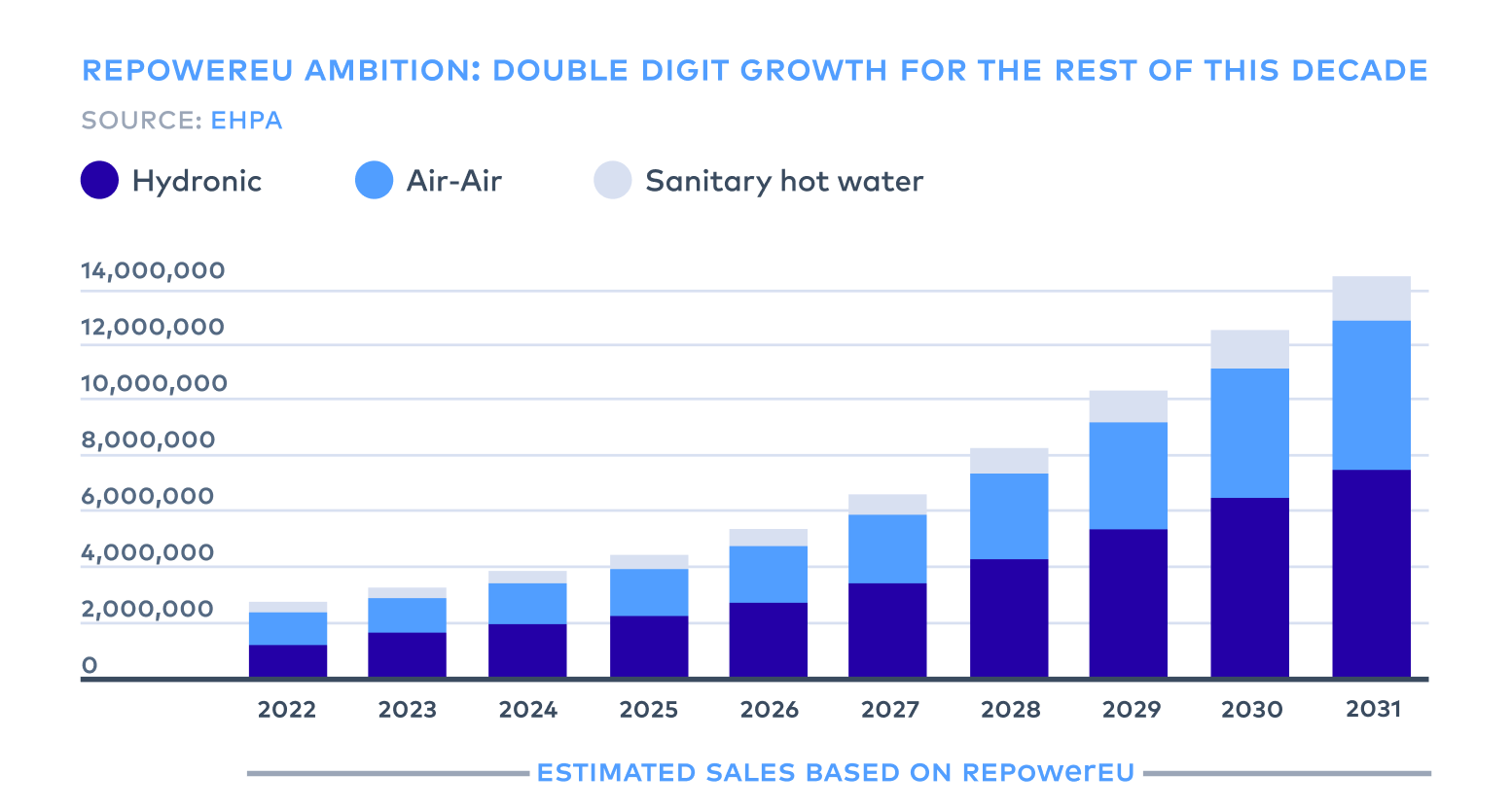
In practice, a modern heat pump can be 80% more carbon-efficient than a gas boiler and cut heating bills by a few hundred euros per year. Western European countries are embracing heat pumps at different paces, but the trend is clearly upward due to decarbonization policies and consumer interest in greener homes. That alone is good news for OEMs and installers. But selling a heat pump as a standalone product is already yesterday’s play.
The Netherlands: Heat pumps ready for integration
In The Netherlands, heat pumps are already mainstream. Gas has been banned in new builds for years, and the next growth phase is clearly retrofits, where millions of existing homes still rely on gas but increasingly have rooftop PV or plans to add it.
That makes the logic straightforward: pairing a heat pump with PV and a HEMS is the most sensible retrofit move homeowners can make. Electric heating only delivers real savings when it is coordinated with self-generation, electricity prices and household load. Without that coordination, heat pumps run at the wrong time, add grid stress and fail to meet homeowner expectations.
The post-subsidy market slowdown did not change this, it simply exposed weak system coordination. With upcoming rules pushing hybrid heat pumps when boilers are replaced, complexity will increase. Homeowners will look to installers to guide them toward integrated systems, and to OEMs to provide heat pumps that are ready to work with a HEMS out of the box.
In the Dutch market, standalone heat pumps are already a short-term solution. Integrated systems are the only setup that scales.
Germany: Heat pump with PV is a trend
Germany, a much larger market, is in the midst of a “Wärmewende” (heat transition). Heat pumps are seen as the key to replace millions of oil and gas heaters. Sales have been climbing steeply: in 2023, over 350,000 heat pumps were sold (a record year driven by an anticipated gas heater ban). Although policy uncertainty caused a dip to 193,000 units in 2024, heat pump adoption remains on a strong upward trajectory.
By the first half of 2025, heat pumps made up almost 47% of new heating system sales in Germany, overtaking gas boilers (44.7%). Government incentives cover up to 40–50% of installation costs for certain homeowners, and the country has set a target of about 6 million heat pumps by 2030 to align with its climate goals. Currently, roughly 2–3% of German homes have a heat pump, indicating a huge growth runway. Installers in Germany are experiencing high demand, and training efforts are underway (over 9,000 technicians trained in 2024) to scale up capacity.
Notably, integrating heat pumps with solar PV is a growing trend, using daytime solar to run the heat pump or charge a thermal buffer, which increases renewable usage and lowers operating cost.
The UK: Signs of Progress
The UK has been slower, but there are signs of acceleration. Only around 1% of UK homes are heated by heat pumps as of 2025 (one of the lowest rates in Europe). Cumulatively about 250,000–300,000 heat pumps have been installed, with annual sales now rising quickly. In 2024, the UK sold 98,469 heat pump units – a 63% increase over 2023. Government support like the Boiler Upgrade Scheme (grants up to £7,500) and public awareness campaigns are helping, but the gap remains large compared to countries like France or Italy.
The UK government has set a bold aim of 600,000 heat pump installations per year by 2028, and the Climate Change Committee recommends getting to 10% of homes with heat pumps by 2030. For OEMs and installers, this means the UK market could expand dramatically if obstacles (upfront cost, installer capacity, consumer awareness) are addressed. Retrofitting heat pumps into Britain’s older housing stock also requires customized energy solutions – assessments of insulation, appropriate heat pump sizing, perhaps hybrid setups in less efficient homes, and user education on operating heat pumps optimally.
How EV integration redefines home energy
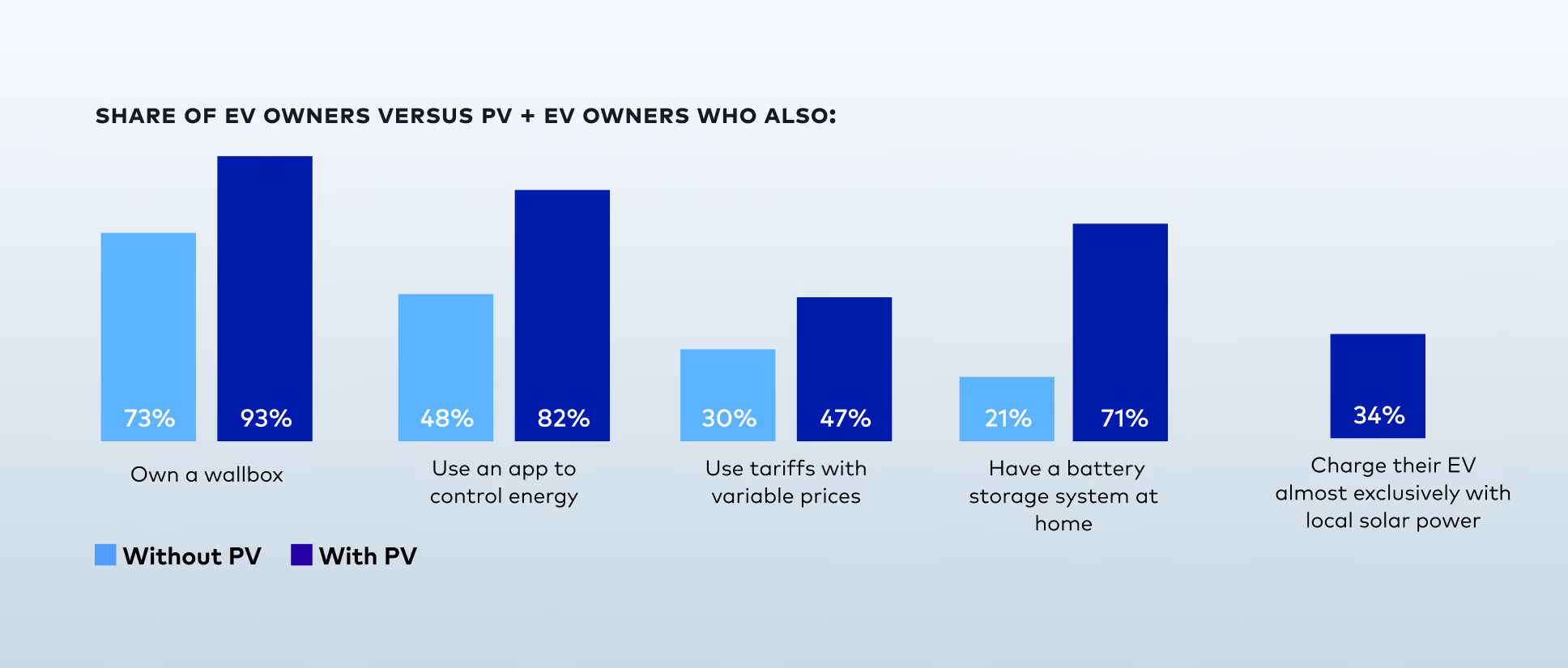
Electric vehicles are becoming commonplace in driveways across Western Europe, and their integration into home energy systems is a game-changer. EV charging represents a large new electric load, but also a flexible asset when managed smartly. As EV adoption grows, intelligent energy solutions are needed so that homes can charge cars efficiently without overloading circuits or the local grid.
What’s the current western Europe EV landscape?
Western Europe has seen surging EV uptake. In the Netherlands, for example, fully electric cars made up over 34% of new car registrations in 2025, the highest share in western Europe (even exceeding Germany and the UK). By late 2025, some months saw 40% of new Dutch car sales as pure EVs. The country’s pro-EV policies (tax incentives, extensive charging infrastructure, and a planned phase-out of petrol/diesel car sales by 2030) have created a strong market.
Germany, with Europe’s largest auto market, also hit roughly 20% bidirectional electric vehicles (BEV) share of new cars in 2025. After a brief dip when purchase subsidies were cut, German EV sales rebounded with nearly 50% year-on-year growth in 2025. Germany now registers hundreds of thousands of new EVs each year, and cumulatively has well over 1 million plug-in vehicles on the road (having passed that milestone back in 2021).
The UK similarly had about 16–18% of new cars being battery-electric in 2025, and together with plug-in hybrids, over a fifth of new cars are plug-ins. The UK plans to ban the sale of new petrol and diesel cars (originally by 2030, now adjusted to 2035), which signals that home EV charging will soon be a standard consideration for homeowners and builders. In fact, since 2022 the UK building regulations already require new homes to come with EV charge points, ensuring readiness for the electric car boom.
EV integration: Challenges and Opportunities
The integration of EVs into home energy brings both opportunities and challenges. On the challenge side, an EV charger can draw 7 kW or more – equivalent to adding several houses’ worth of demand to the grid if unmanaged. If many neighbors charge at the same time (e.g., evening), local transformers can get overloaded. Therefore, countries are introducing smart charging requirements. In the UK, all new home chargers must be smart (able to respond to price or grid signals) to stagger and schedule charging. Germany’s regulations (such as §9 EEG) similarly push for controllability of EV charging and solar systems – requiring either remote-managed chargers or limiting feed-in to prevent grid strain. Installers need to ensure compliance by setting up connected charge points that can modulate when needed.
Meanwhile, the opportunity is that an EV’s battery (typically 40–100 kWh capacity) vastly exceeds a typical home battery, meaning the car can become a huge mobile energy storage unit. With smart integration, a homeowner could charge the EV when solar production is high or electricity is cheap, and in the future potentially use the EV’s battery to power the home (vehicle-to-home, V2H) or sell energy back to the grid (vehicle-to-grid, V2G) during peak hours. Trials in several European countries are already exploring V2G services where parked EVs help balance the grid and earn revenue for owners.
For OEMs and installers, integrating EV solutions means providing holistic home energy setups: pairing solar panels with an EV charger so that surplus solar directly charges the car, or linking the charger with a Home Energy Management System (HEMS) that automates charging at optimal times. Many customers will value the convenience and cost savings of intelligent charging. For example, a HEMS that automatically charges the EV overnight when off-peak tariffs apply, or pauses charging if the household is nearing a demand limit.
Additionally, as home battery storage adoption grows, there’s potential to coordinate EV charging with stationary batteries: the system might prioritize filling the car versus the house battery depending on plans (like an upcoming trip vs. a forecasted cloudy day). Customized energy solutions are key here: an EV owner who mostly commutes short distances might prefer charging purely from midday solar, whereas another with long daily drives might need fast overnight charging – their home energy setup can be tailored accordingly. Installers should be ready to advise on circuit upgrades (many older homes need electrical panel enhancements to support high-current chargers) and on smart charger models that fit into broader energy management platforms.
Expert insight on the future of intelligent energy solutions
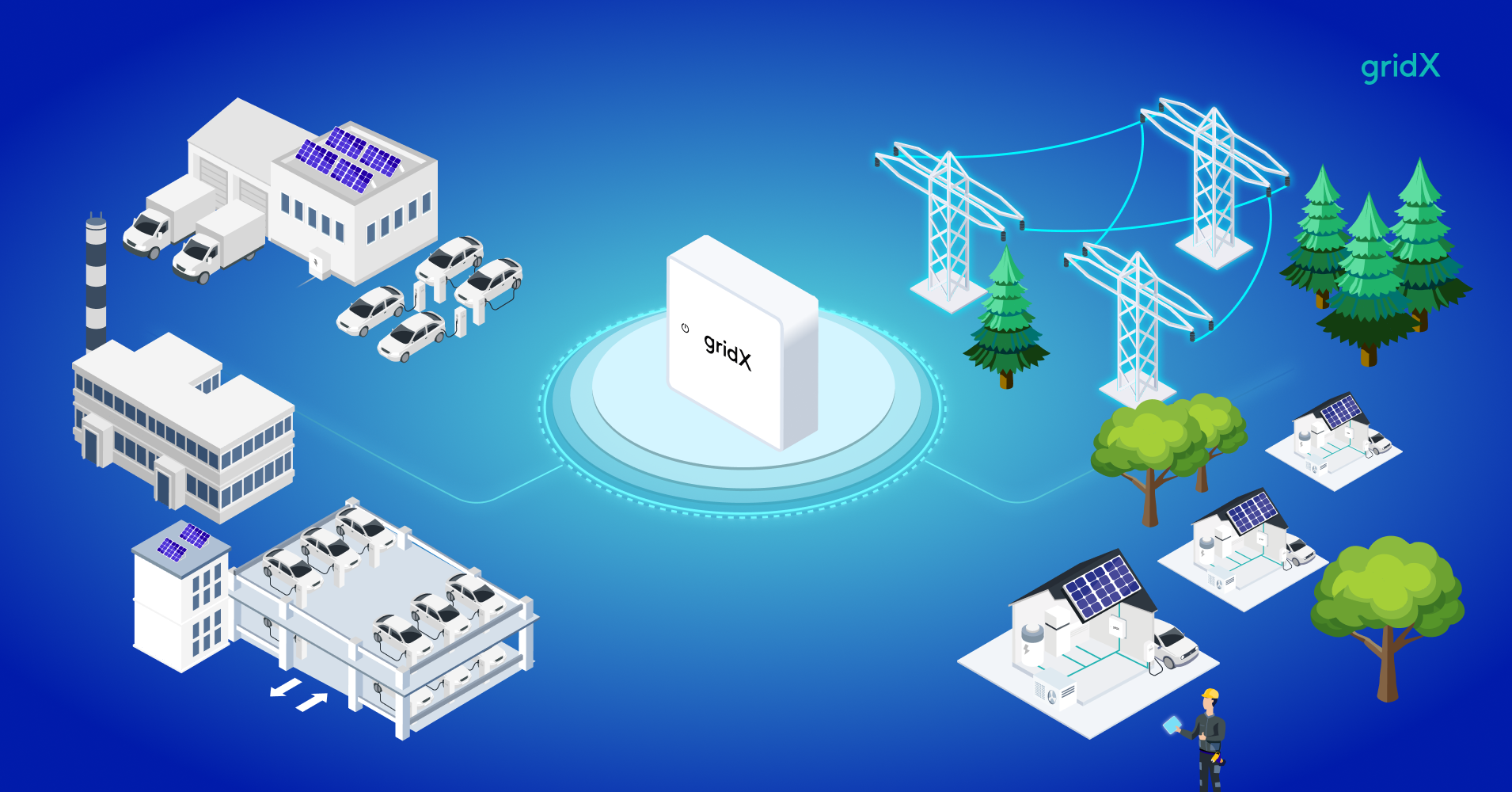
With solar panels, heat pumps, batteries and EV chargers increasingly coexisting in homes, integration is foundational. HEMS acts as the intelligence layer, coordinating when each asset consumes, produces or stores energy. When these devices operate independently, homes miss out on major efficiencies, and the grid loses potential flexibility. A smart system solves this: EVs can be charged using midday solar, heat pumps can preheat water before peak pricing, and batteries can absorb excess solar for evening use. All automatically.
Retrofitting HEMS into existing homes is the next frontier. About 70–85% of western Europe’s installed solar panels, heat pumps and EV chargers are not connected to any energy management system, yet. Germany alone has over 5 million homes ready for such retrofits, with nearly 4 million more in the Netherlands. As net-metering ends and feed-in tariffs expire, smart control becomes essential to maintain savings and optimize self-consumption. This opens a huge opportunity for OEMs offering interoperable, cloud-connected devices, and for installers bundling HEMS upgrades to existing assets. As Fabian Wolf, Lead Customer Success Manager at gridX, puts it: “To unlock real value from solar, home batteries, heat pumps and EVs, they must act as one system - regardless of their date of installation. The go-to-market withHEMS retrofit propositions will make intelligent energy offerings even more compelling.
Beyond savings, integration enables new services like virtual power plants, flexibility trading and real-time optimization. For customers, this means not just lower bills but also ease of use: set preferences and let the system do the rest. For OEMs and installers, it’s a gateway to long-term customer relationships, upsell revenue and grid-oriented business models.
The technology is here. The demand is real. What remains is execution. OEMs and installers that deliver customized, intelligent energy solutions will lead in Europe’s retrofit-first energy transition.
Meta Title:
Meta Description:
Unlock retrofit potential with integrated energy solutions. Learn how solar, heat pumps and HEMS create savings for homeowners and growth for installers.