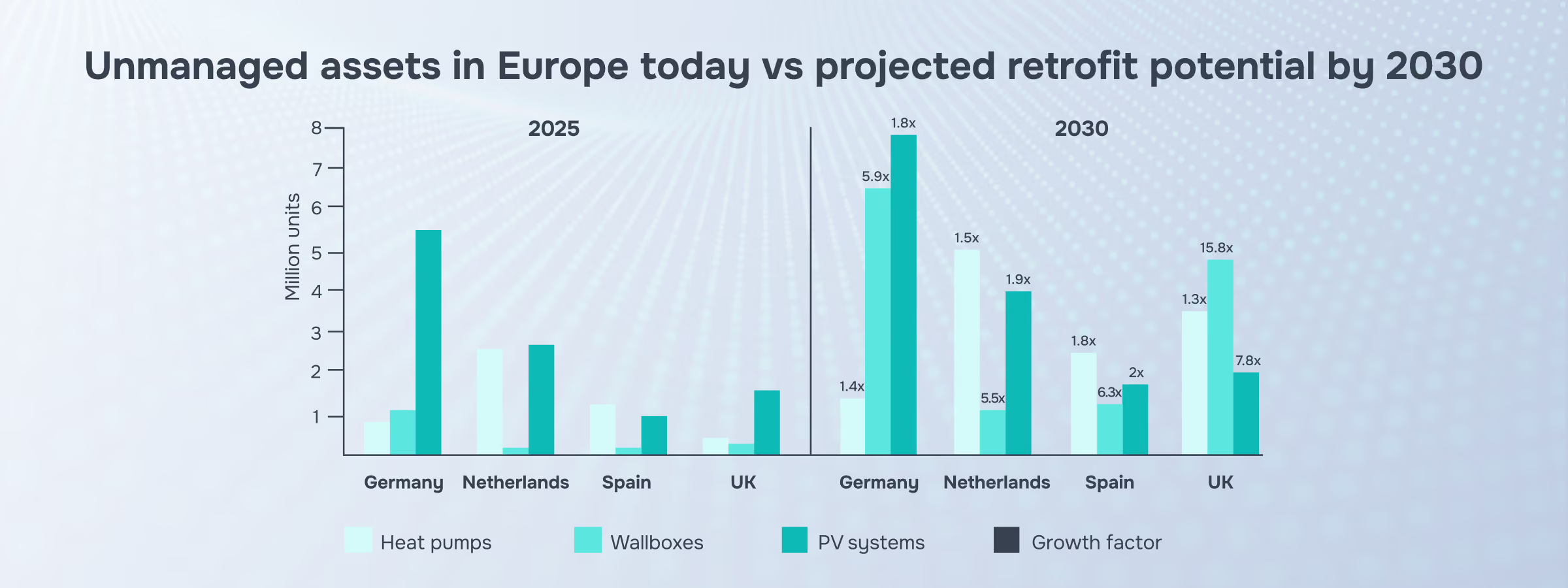
Europe’s installed base is huge – Germany alone has roughly five million households that could be retrofitted today; the Netherlands nearly four; Spain and the UK over three. As distributed energy assets continue to scale, players who act first to make these analog systems smart will capture the largest share of a rapidly expanding market. Retrofitting can bring the energy transition to scale, but it requires a digital backbone capable of coordinating diverse legacy assets. The opportunity is massive, and unlocking it starts with connecting what already exists.
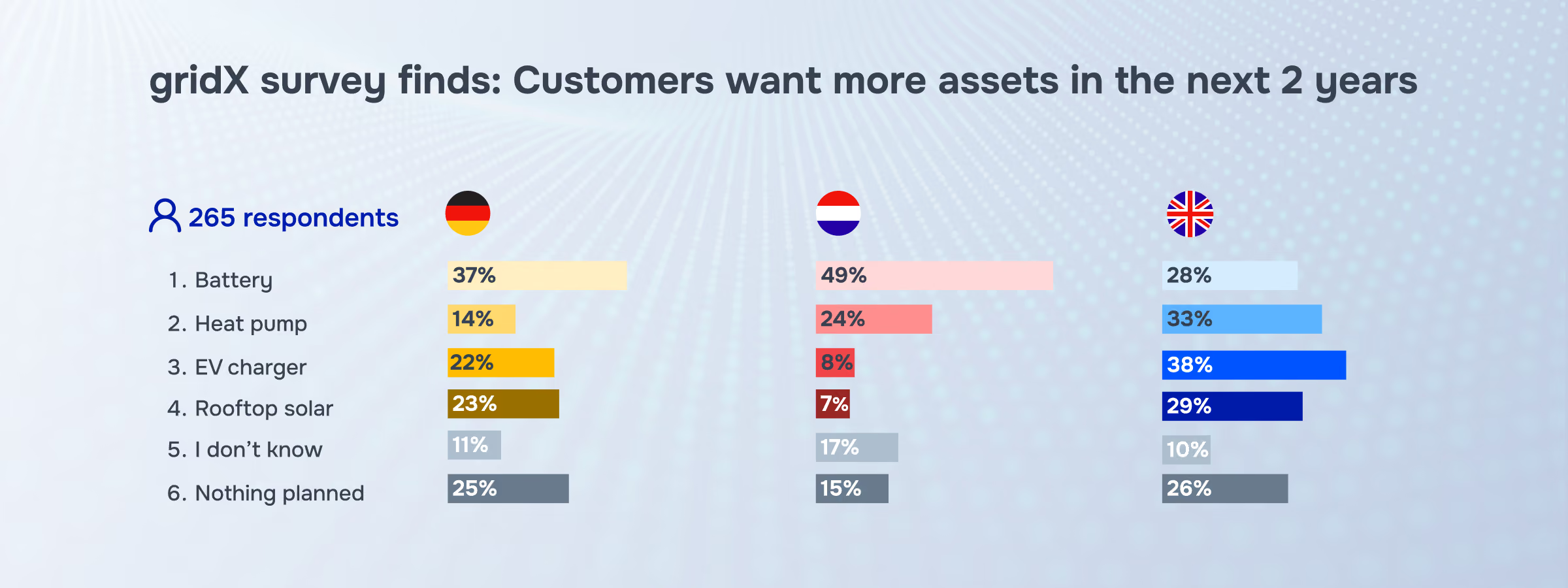
Retrofitting demand is set to surge as households expand their energy systems. In a gridX survey of 265 asset owners, 66% plan to buy additional hardware within the next two years. The growth opportunities differ by market: in Germany, 37% intend to add a battery compared to nearly 50% in the Netherlands. In the UK, 38% plan to install an EV charger and 29% rooftop solar. This strong investment intent in already interested households highlights a rapidly emerging retrofit opportunity for providers who can connect, optimize and scale these assets intelligently.
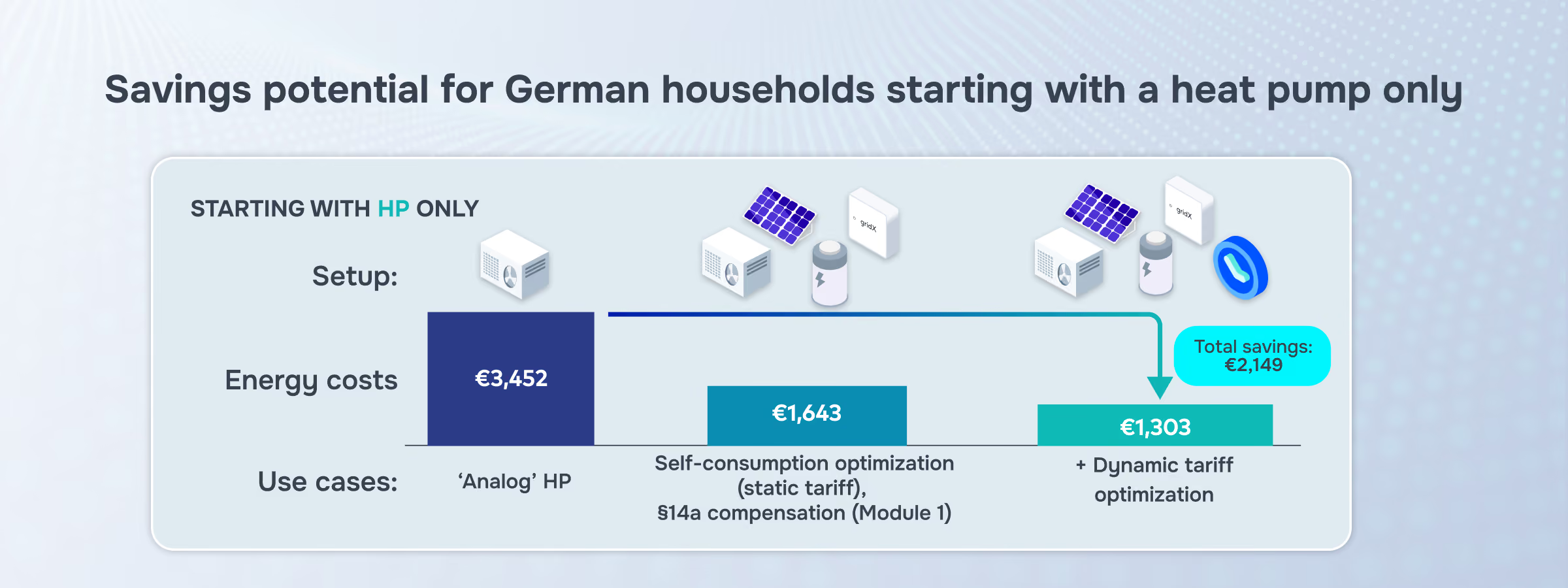
Savings stack quickly when households expand and optimize their existing setups with a smart energy management system (EMS). In Germany, households that already have a heat pump and choose to add a smart EMS, PV system, battery and dynamic tariffs can score major financial benefits. Combined with §14a EnWG Module 3 compensation, these homes can save up to €2,149 per year. In the most advanced configurations, energy bills can even go negative, meaning households earn money from using their devices flexibly.